Office Address
Email Address
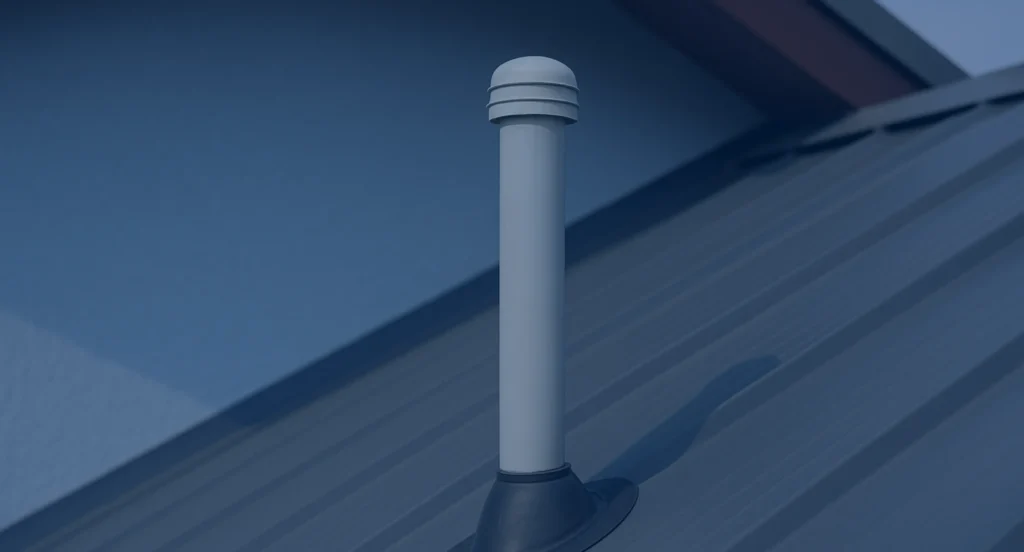
Ever spotted that white or grey plastic pipe poking out of your roof and wondered what on earth it does?
That’s your sewer vent pipe, basically the escape route for all the air, odours, and gases moving through your drainage system.
It might look simple, but it plays a huge role in keeping your plumbing healthy and your home safe. And here in Australia, you’re legally required to follow the Sewer Vent Pipe Regulations under AS/NZS 3500. Ignoring them can lead to two big problems: hefty penalties and the risk of toxic sewer gases creeping into your home.
At Moz Plumbing, we’ve spent over a decade helping Burwood homeowners keep their plumbing systems running smoothly. In this guide, we’ll walk you through the key vent pipe regulations, why they matter, and what you can do to stay compliant.
Let’s start with the basics.

A sewer vent pipe is exactly what it sounds like, a pipe that vents air out of your sewer system. Think of it as the lungs of your plumbing.
It handles two types of air:
These gases can include hydrogen sulfide, methane, ammonia, and carbon dioxide. They’re all unpleasant, and some can be dangerous. Methane is even flammable. AS/NZS 3500 sets clear rules for
If your sewer vent isn’t functioning properly, those gases won’t escape, your wastewater won’t flow freely, and pressure can build up inside the system. In bad cases, the gases may enter your home, leaving you dizzy or dealing with headaches and foul smells.
The vent pipe doesn’t carry water, so it stays dry most of the time. But it is still vital to your system. That is why Australian standards, AS/NZS 3500, set clear rules around placement, size, and installation.
Let’s take a closer look.
Here are some of the key sewer vent pipe regulations from AS/NZS 3500, which forms part of the Victorian Building Authority plumbing guidelines.
Your vent pipe must extend at least 300mm above the roofline.
This allows gases to disperse safely into the air instead of drifting back into your home.
The diameter depends on what the pipe is connected to:
If the vent is too narrow, it won’t release enough air, which can cause blockages and pressure issues.
Vents need to be positioned close to plumbing traps, the U-shaped parts under fixtures.
If the vent is too far away, the drains can’t get the air they need. This leads to slow drainage, gurgling, or full blockages.
These are just some of the vent pipe rules listed in the VBA guidelines used across Melbourne, including suburbs like Camberwell. If you need help understanding how the standards apply to your home, we’re happy to walk you through it during a free consultation.
There are a few different vent pipes you’ll find in a typical home.
These allow air into the drainage system and let gases escape. Most homes have several of these.
This is the larger vertical pipe that all the smaller vents connect to. The part you see sticking out of the roof is called the stack vent.
Toilets use a lot of water, so they need larger vents to handle the sudden pressure change after a flush.
Let’s focus on that one for a moment.
When you flush, the water rushes down the drain and leaves an empty space behind it. If this space isn’t filled with air, negative pressure forms. Negative pressure can:
A toilet vent pipe stops all that by allowing air into the system. Keeping it clear and properly sized is essential.
Vent pipes come in a few different materials, and each has its own pros and cons.
PVC is the most common. It’s lightweight, corrosion-resistant, affordable, and easy to install. The only downside is that it’s not very heat-resistant, so it can warp if exposed to extreme temperatures.
Copper is a premium option. It’s durable, corrosion-resistant, heat-resistant, and looks great in exposed areas. However, it is more expensive and requires soldering during installation.
Cast iron is the heavyweight choice. It’s extremely durable, handles heat well, and offers excellent sound insulation. On the flip side, it’s heavy, harder to install, more costly, and can rust over time.
In Melbourne’s mild climate, PVC is usually the most practical choice. It’s long-lasting, budget-friendly, and more than capable of handling our local weather.
If you’re renovating or building, here are some key installation requirements to keep in mind:
This is just an overview. Plumbing standards can get technical, and they’re updated over time. A licensed plumber, like us, stays across those changes so you don’t have to.

We’re not some big-name franchise. Moz Plumbing is a family-run business with deep roots in the eastern suburbs. We’ve worked on homes around Burwood Brickworks, Deakin Uni, Ashburton, and beyond. We know exactly what Melbourne’s sewer vent systems are like.
Here’s what sets us apart:
Yes, sewer venting is mandatory. Proper ventilation removes toxic gases and keeps your plumbing system balanced.
Yes, sewer venting is mandatory. Proper ventilation removes toxic gases and keeps your plumbing system balanced.
A sewer tie connects your home’s drainage system to the council’s sewer network. It ensures wastewater flows out smoothly without backflow.
It’s the exposed section of the vent stack that releases gases. While it doesn’t carry water, it is insulated to reduce the risk of freezing and must meet height requirements set by Victorian regulations.
Whether you need help with vent pipes, stormwater drainage, or general plumbing, we’re here to support you. And because we’re local, we can get to you quickly when it matters.
Give us a call anytime (0478 841 918). We’re always happy to chat and offer a free consultation and quote.