Office Address
Email Address
Ever noticed a small grated drain sitting outside your kitchen, bathroom, or laundry? That unassuming bit of plumbing is called a gully trap, and it plays a much bigger role than most homeowners realise.
A gully trap prevents toxic, foul smelling sewer gases from entering your home. It is one of those plumbing components that quietly does its job in the background, until it doesn’t.
If a gully trap is missing, blocked, or not installed correctly, you could end up dealing with slow drainage, sewer backups, unpleasant smells inside the house, and even compliance issues under Victoria’s Plumbing Regulations 2018. Not exactly something you want to discover the hard way.
In this guide, we will break down what a gully trap is, how it works, the common types used in local homes, and how to keep it working properly.
If you’re experiencing gully trap issues such as slow drainage or sewer smells, our licensed plumbers regularly resolve these problems for homes in Burwood.
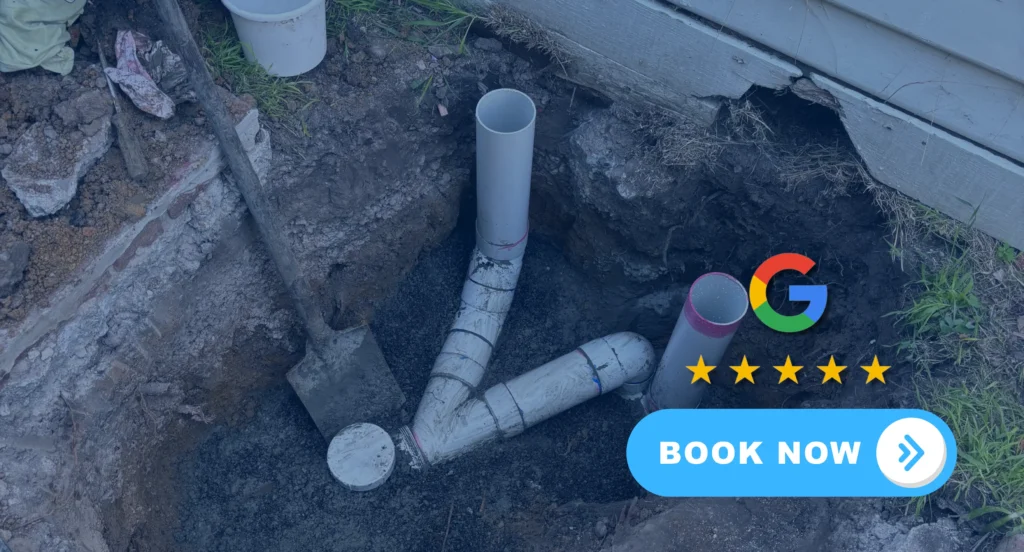
A gully trap is a simple U-shaped pipe that sits between your home’s drainage system and the council sewer line. It is usually connected to external drains from wet areas like the kitchen, bathroom, and laundry.
So why the U-shape?
That bend holds a small amount of water at all times. This standing water forms a seal that stops sewer gases from travelling back into your home. It also helps prevent pests like cockroaches and rats from entering through the pipes.
There is another important safety feature. If a blockage occurs downstream, excess wastewater will overflow outside through the gully instead of backing up inside your house. Spotting water in the yard is a lot better than cleaning up sewage indoors.
Under Australian plumbing standards, gully traps are mandatory wherever household drains connect to the main sewer system.
The gully trap works by maintaining a water seal.
The U-bend holds standing water that acts as a barrier against sewer gases such as methane and hydrogen sulfide. These gases are not just unpleasant, they can be harmful if they enter living spaces.
Every time you flush a toilet, run a tap, or use the washing machine, the old water in the trap is replaced with fresh wastewater. As long as water remains in the bend, the seal stays intact.
Problems start when the water dries out due to evaporation or when the trap becomes blocked or damaged. Once that seal breaks, sewer gases, bacteria, and pests can move freely into your plumbing system and eventually your home. A dry or faulty gully trap also offers little protection against backflow during blockages.
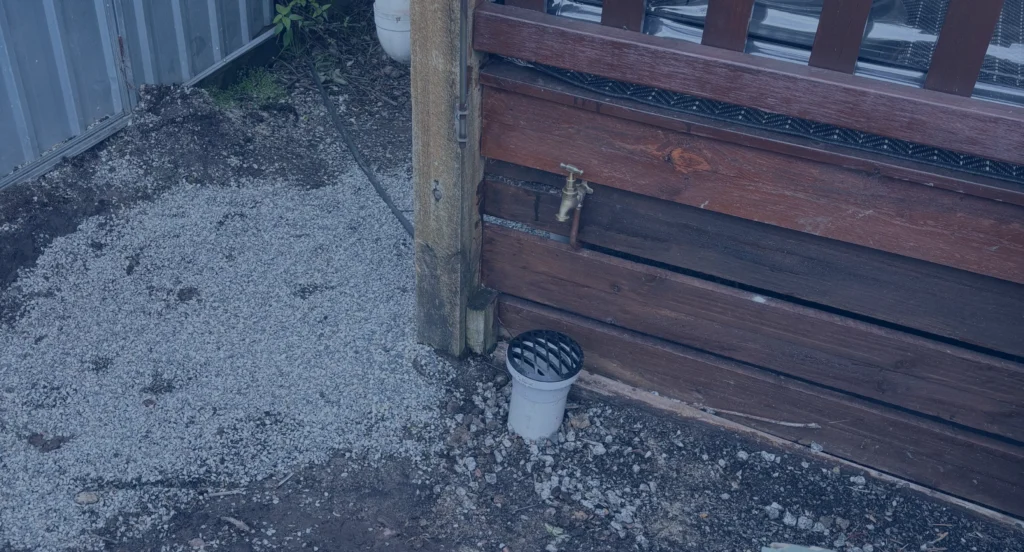
Here are the most common types of gully traps found in homes around Melbourne.
Often called an ORG, this type includes an overflow outlet that sits lower than your internal drains.
If there is a blockage in the sewer line, wastewater rises in the trap and escapes through the grated outlet into the yard instead of flowing back into the house. If you ever notice water pooling around your gully trap, it is usually a warning sign that something is blocked.
A disconnector gully separates your home’s drainage from the main sewer system using a water seal. It allows wastewater to flow out while stopping sewer gases from coming back in.
These can be installed internally or externally and usually include a riser pipe with a grated outlet.
This is the final trap before your pipes connect to the main sewer, typically located near the property boundary. Boundary traps are larger and often use multiple bends to maintain a strong seal and ensure one way flow.
Even well installed gully traps can develop issues over time. Common problems include:
When the trap cannot maintain its water seal, sewer gases can leak into the home. A rotten egg smell is often the first sign. In more serious cases, wastewater can overflow into the yard or inside the house, and pests may find their way indoors through the pipes. Contact an emergency plumber if this happens. These issues are particularly common in older properties, and we frequently attend gully trap and drainage problems for households in Camberwell.
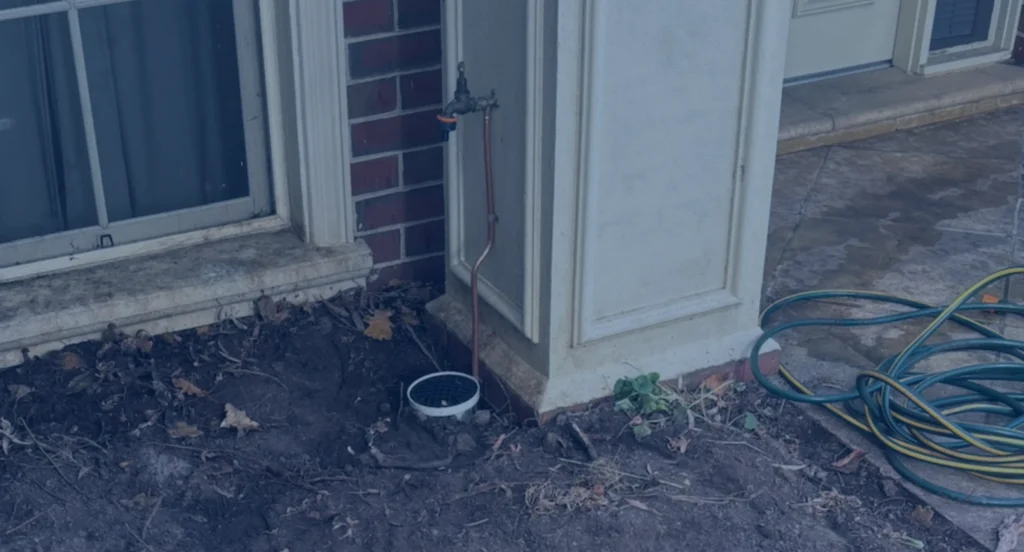
Looking after your gully trap is fairly straightforward.
Once a month, flush the trap with hot water and a bit of dish soap. An occasional vinegar and baking soda rinse can help break down grease and soap residue. Check the grate regularly and clear away leaves, hair, or debris.
For added peace of mind, it is a good idea to have a licensed plumber inspect and clean your gully traps every two to three years, especially in older homes.
If you notice slow drainage, bad smells, or water backing up, it is best to get it checked sooner rather than later.

If you think your gully trap is blocked, damaged, or not working as it should, give Moz Plumbing a call. We will inspect it properly, explain what is happening in plain language, and recommend the right solution for your home.
With over 10 years of local experience, we are your neighbourhood plumbers, here to help keep your home safe, fresh, and flowing the way it should. We also provide fast, reliable plumbing services for gully trap issues in Ashburton and surrounding suburbs.
Gully traps are usually positioned at low points outside wet areas such as bathrooms and laundries. The grate rim should sit at least 150 mm below the overflow level of connected fixtures.
A gully trap contains a water seal that blocks sewer gases. A floor waste is simply a drain opening inside wet areas that directs water into the gully trap.
Yes. Soap scum, hair, grease, organic matter, and tree roots are common causes of blockages.
Ideally, gully traps should be visually checked every few weeks. At a minimum, aim to inspect and clean them once a month.