
Office Address
Email Address
Common signs of blocked stormwater drains in Melbourne include water pooling around your home, overflowing gutters and downpipes, soggy patches in the garden, and backyard flooding during heavy rain. Tree roots, fallen leaves, and debris washed into the pipes are some of the most common causes.
When rainwater can’t drain away properly, it can collect around your property and potentially damage your home’s foundations and structure.
In this guide, we’ll explain how to spot a blocked stormwater drain early, what causes these blockages, and what you can do to prevent them. We’ll also cover when it’s time to call a licensed plumber for stormwater drainage.
Already dealing with a stormwater emergency? Call Moz Plumbing on 0478 841 918 for immediate assistance.

One of the biggest warning signs of a blocked stormwater drain is water overflowing or backing up around the base of your downpipes. It’s something our plumbers regularly come across at Melbourne homes, especially after heavy rainfall.
Other signs to watch for include:
Not sure whether you’re dealing with a blockage or a drainage system that simply can’t handle the rain?
If water pools or drains slowly after almost every rainfall, there’s a good chance something is blocking the pipes. However, if overflowing only happens during particularly heavy downpours, your drainage system might not have enough capacity.
Either way, it’s worth getting it checked before the next big storm. Give us a call and we’ll help you work out what’s going on.
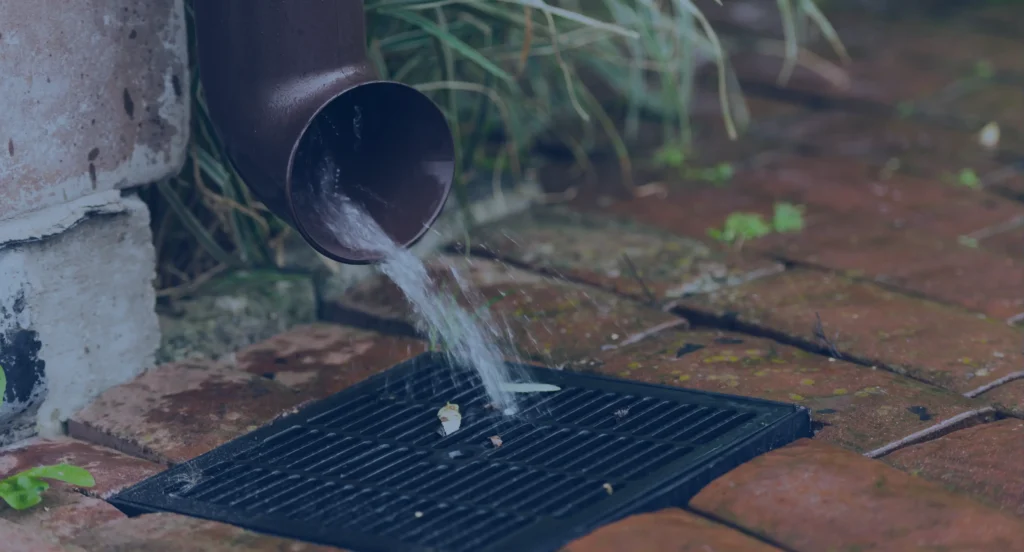
Tree roots, fallen leaves, and garden debris are among the most common causes of blocked stormwater drains in Melbourne, particularly around older properties.
Many older homes have terracotta, cast iron, or concrete drainage pipes. Over time, these pipes can crack, corrode, shift, or develop loose joints. Tree roots can then find their way through the openings and grow inside the pipes, restricting water flow.
Other common causes of stormwater drain blockages include:
Sometimes, what looks like a simple buildup of leaves can actually be a damaged pipe underground.
That’s why our plumbers use CCTV drain cameras to locate blockages and inspect the condition of your pipes. Once we know what’s causing the problem, we can recommend the most suitable way to clear it.
Dealing with a plumbing emergency after heavy rain? Call 0478 841 918. We’ll get to you as quickly as possible and offer advice over the phone while we’re on our way.
If your stormwater drain starts overflowing, your first priority should be keeping yourself, your family, and your pets safe.
Floodwater can hide dangerous debris, open drains, and electrical hazards, so don’t attempt to walk through it or use electrical equipment near the flooded area.
If water is approaching your home or causing serious flooding, contact the Victoria State Emergency Service on 132 500 for emergency flood assistance. If anyone’s life is in immediate danger, call 000.
If the situation isn’t critical, here’s what we recommend:
If the water continues to back up, don’t try to force the blockage through yourself.
Our emergency plumbing team can inspect the drainage system, identify what’s causing the overflow, and recommend the safest way to get things flowing again. We’ll also talk you through what you can do to minimise further damage while we’re on our way.
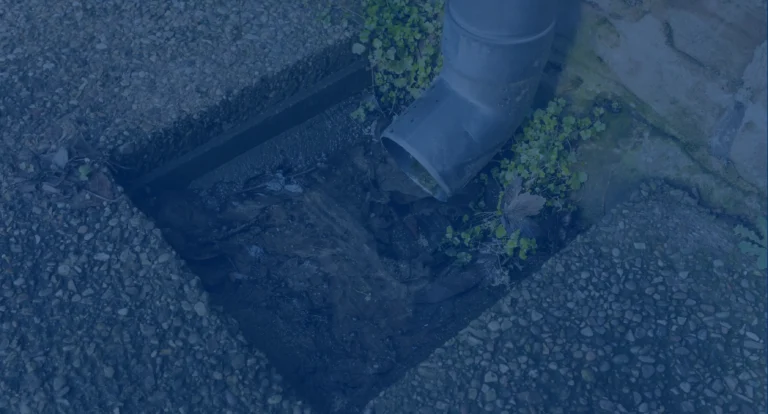
We recently dealt with a major stormwater drain blockage at a property in Mount Waverley, near Mount Waverley Secondary College.
Water was backing up around the property instead of draining away properly. If the problem had been left untreated, the overflowing water could have entered the home and caused significant damage.
Our plumbers used high-pressure hydrojetting to clear the blockage and restore water flow. Once the drain was cleared, we inspected the pipes using a CCTV drain camera to check for cracks, displaced joints, and misalignments that could cause the problem to return.
The goal wasn’t just to get the water moving again. We wanted to make sure there weren’t any underlying issues waiting to cause another blockage during the next heavy downpour.
That’s how we approach plumbing at Moz Plumbing. We’re local, we understand the drainage problems Melbourne homeowners deal with, and we want to help you find a solution that lasts.

Clearing a blocked stormwater drain starts with finding out exactly what’s causing the problem. Once we’ve located the blockage, we can remove it and check that water is flowing freely again.
Here’s how we typically handle blocked stormwater drains at Moz Plumbing:
In some cases, excavation may be necessary to replace severely damaged, deformed, or collapsed pipes that can’t be repaired or relined.
If we find an issue like this, we’ll explain your options and provide an upfront, no-obligation quote before starting any additional work.
For drainage problems inside your home, you can also learn more about our blocked drain services in Melbourne.
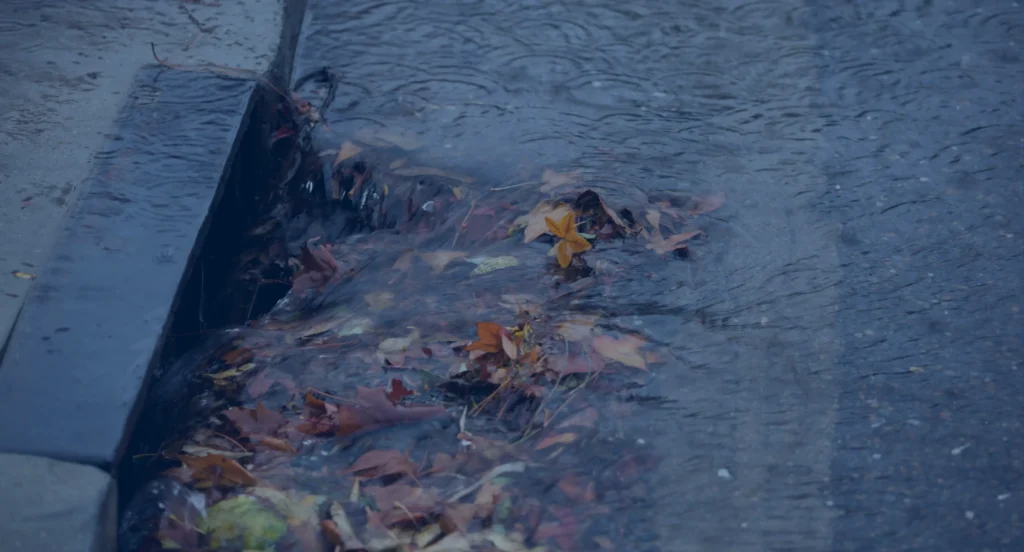
In Melbourne, homeowners are generally responsible for building and maintaining private stormwater drains up to the Legal Point of Discharge (LPD).
The Legal Point of Discharge is the approved location where stormwater from your property connects to the council’s drainage system or another designated discharge point.
This generally means you’re responsible for maintaining:
If the blockage is within your private drainage system, you’ll usually need a licensed plumber to inspect and clear it.
However, if the problem appears to be in a public drainage pit, roadside drain, or council-maintained stormwater system, contact your local council.
Responsibilities can vary depending on the location of the blockage and the drainage arrangements for your property.
Not sure where your Legal Point of Discharge is? You can contact your local council to request the relevant drainage information or an LPD report.
Keeping your stormwater drains clear doesn’t have to be complicated. A little regular maintenance can help prevent bigger problems when Melbourne’s heavy rain arrives.
If your property has older pipes or large trees nearby, it’s also worth keeping an eye out for recurring drainage problems. Tree roots can grow inside damaged pipes without any obvious warning signs above ground.

Yes. When rainwater can’t flow freely through your stormwater drains, it can back up and collect around your property. During heavy rainfall, this water may eventually enter your garage, backyard, or home. That’s why it’s important to investigate recurring pooling or overflowing drains before the problem gets worse.
Yes. Tree roots are a common cause of blocked stormwater drains, especially in older pipes with cracks, gaps, or loose joints. Roots naturally grow towards moisture and can enter through small openings. Over time, they form dense masses inside the pipes, restricting water flow and sometimes requiring specialised cutting equipment to remove.
You can remove visible leaves, twigs, and other surface debris from accessible drainage grates or gutter outlets, provided it’s safe to do so. However, underground blockages are best left to a licensed plumber. The Building and Plumbing Commission (BPC) provides guidance on engaging appropriately licensed plumbing professionals for plumbing work in Victoria.
If water keeps pooling around your home, your downpipes are overflowing, or you suspect an underground blockage, it’s worth getting your stormwater drainage checked.
At Moz Plumbing, we help homeowners across Burwood, Mount Waverley, and Melbourne’s eastern suburbs identify and clear blocked stormwater drains.
We’ll inspect your drainage system, explain what’s causing the problem, and provide straightforward advice on the best way to fix it. You’ll know what needs doing and what it will cost before we get started.
Call Moz Plumbing on 0478 841 918. We’re happy to chat about what’s happening and help you work out the next step.