Office Address
Email Address
No one likes standing around waiting for hot water, especially on a cold Melbourne morning.
If your shower takes forever to warm up, or your hot water seems slower than usual lately, you’re probably wondering whether that’s normal or if something’s wrong with your system.
In most Melbourne homes, a hot water system can take anywhere from a few seconds to around two hours to fully heat up. The exact timing depends on the type of system you have, the weather, the size of your household, and the condition of the unit itself.
At Moz Plumbing, we help Melbourne homeowners sort out everything from slow hot water recovery times to full hot water system replacements. So if your system’s taking too long, we’re always happy to take a look and talk you through your options.
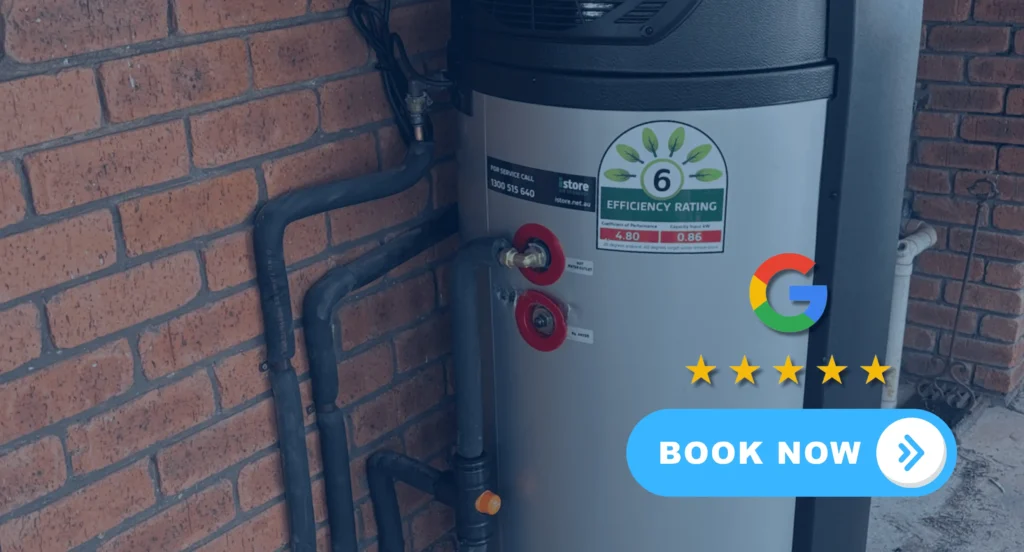
Here’s a general guide to how long different hot water systems take to heat up from cold.
Usually around 1 to 2 hours.
Electric storage systems heat water gradually using electric elements inside the tank. They’re reliable, but they’re generally slower than gas systems.
Usually around 30 minutes to 2 hours.
Gas systems tend to heat water faster because they use a direct flame. Recovery times are often quicker too, which makes them popular for larger households.
Usually within a few seconds.
These systems don’t store hot water. Instead, they heat water as it passes through the unit, so you only wait for the water to travel through the pipes.
Can take a few hours or longer, depending on the weather.
Melbourne’s cloudy winter days can slow solar systems down. Many homes use an electric or gas booster to keep hot water consistent.
Usually around 1 to 2 hours.
Heat pumps are energy efficient, but they can work a bit slower during colder Melbourne weather, especially in larger family homes around Burwood, Box Hill, and Glen Waverley.
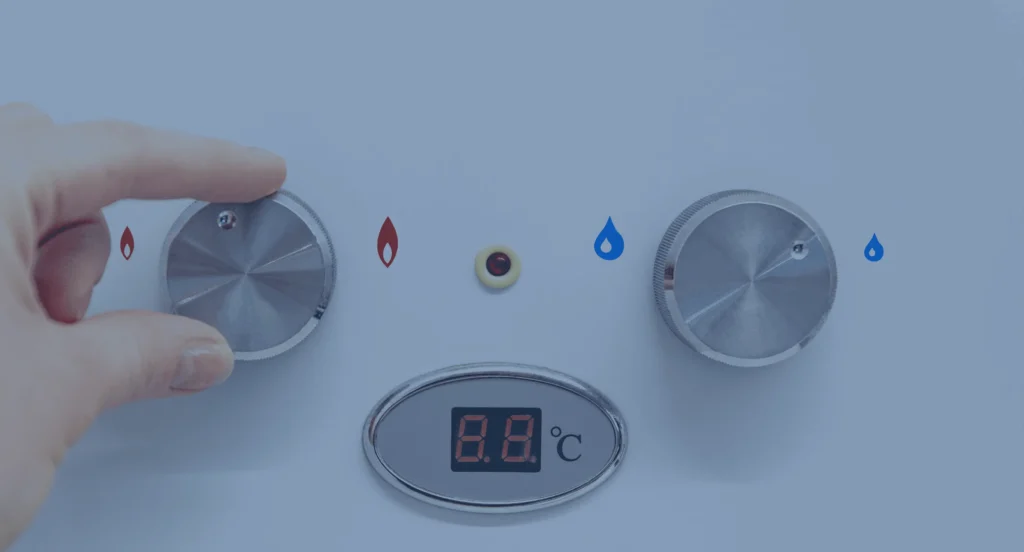
A few key things determine how quickly your system can deliver hot water.
Storage systems work by heating and storing water inside an insulated tank.
As hot water gets used, cold water enters the tank and needs to be reheated. That’s why you sometimes run out of hot water after several showers.
Continuous flow systems work differently. They don’t store water at all, which means you don’t have to wait for a tank to reheat.
Bigger tanks naturally take longer to heat.
But household demand matters too.
If multiple people are showering back-to-back while the washing machine and dishwasher are running, your system can struggle to keep up.
A system that’s technically working fine can still feel slow if it’s undersized for your household.
If you’re not sure whether your current setup is right for your family, our Melbourne hot water plumbers can help you work it out.
Here is some additional information about hot water system installation costs.
Winter definitely affects hot water performance.
During colder months, the water entering your home can be much colder than usual. Your system has to work harder and longer to bring that water up to temperature.
This is especially noticeable with solar and heat pump systems.
Sometimes the hot water system itself isn’t the problem.
If your bathroom or kitchen is a long way from the unit, you’ll need to wait for the cold water sitting in the pipes to clear first.
Older homes with poor pipe insulation can lose heat along the way too.
Like most appliances, hot water systems become less efficient over time.
Sediment can build up inside the tank.
Heating elements can wear out.
Thermostats can stop reading temperatures properly.
Gas burners can become dirty or partially blocked.
That’s why regular servicing makes a big difference.
If your hot water suddenly seems slower than usual, there’s often an underlying issue causing it.
Over time, minerals and sediment can settle at the bottom of your tank.
This layer makes it harder for the system to transfer heat efficiently.
Some common signs include:
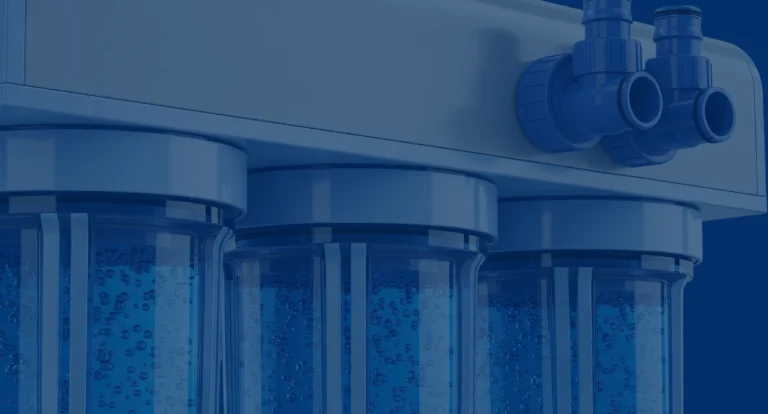
A professional flush and service can usually help. You can also install a water filtration system to reduce sediment build up.
Electric hot water systems rely on heating elements and thermostats to control water temperature.
When these components wear out, you might notice:
This is one of the more common hot water issues we see in Melbourne homes.
Gas systems can develop burner or ignition issues over time.
Dust, soot, and debris can affect the flame, reducing heating performance.
You might notice:
Gas appliances should always be checked by a licensed professional.
Sometimes there’s nothing “wrong” with the system at all.
If your household has grown or your hot water usage has increased, your current system might simply be too small.
This is common in Melbourne family homes where older systems were originally installed for fewer people.
Long pipe runs and poor insulation can make hot water delivery feel painfully slow.
Depending on the setup, solutions can include:

Melbourne winters mean colder incoming water temperatures.
Your system has to heat the water by a much larger temperature difference, which naturally takes more time.
For storage systems, recovery time is usually between 1 to 2 hours, depending on the system type and tank size.
Gas systems generally recover faster than electric systems.
Continuous flow systems are the fastest because they heat water on demand instead of storing it.
We recommend servicing your hot water system every 12 months to help keep it efficient and extend its lifespan.
If your hot water system is taking too long to heat up, constantly running out, or just not performing the way it should, we’re happy to help.
At Moz Plumbing, we provide honest advice, hot water servicing, repairs, and replacements across Melbourne suburbs.
We’ll inspect your current setup, explain what’s causing the issue, and help you decide whether a repair or upgrade makes the most sense for your home.
Give our team a call (0478 841 918) if you’d like a hand or simply want some advice about your hot water system.